Just when you thought it couldn’t get worse. Now they are shelling UN schools.
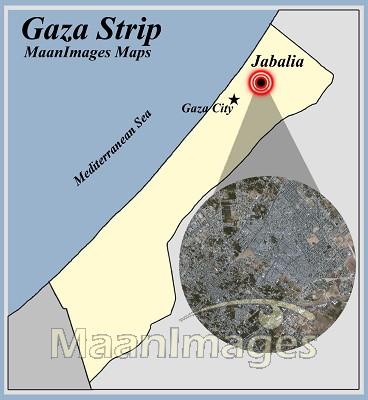
Israeli forces have shelled another UN school in the Jabaliya Refugee Camp. Three artillery shells landed in the perimeter of the school, killing some 30 displaced people who were sheltering there and injuring 55.
The UN Relief and Works Agency (UNRWA), the UN’s agency for Palestinian refugees, has been using UN schools to shelter some of the 15,000 Gazans who had fled their home following the Israeli invasion of Gaza.
The massacre is reminiscent of the Israeli shelling in 1996 of a UN compound in Qana, southern Lebanon, which killed 106 civilians.
John Ging, the UNRWA Director of Operations in Gaza, stressed that all UN schools in Gaza are clearly marked, flying the UN flag, and that the organisation has provided the GPS coordinates of all of its installations in the area to Israel. “Those who were in the school were all families seeking refuge,” the UN News Centre quoted him as saying.
Over 640 people have been killed so far in Gaza.
This report from the Ma’an News Agency website, one of the most browsed in Palestine:
Date: 06 / 01 / 2009 Time: 17:04
Updated 18:07
Gaza – Ma’an – Israeli forces killed at least 42 Palestinians at a UN school that was sheltering displaced people in Jabaliya Refugee Camp in the northern Gaza Strip late on Tuesday afternoon, medical officials confirmed to Ma’an.
 Much has been said about the home-made Qassam rockets fired into Israel in the same way that the United States cited WMD before its illegal invasion and occupation of Iraq.