May 142012
 

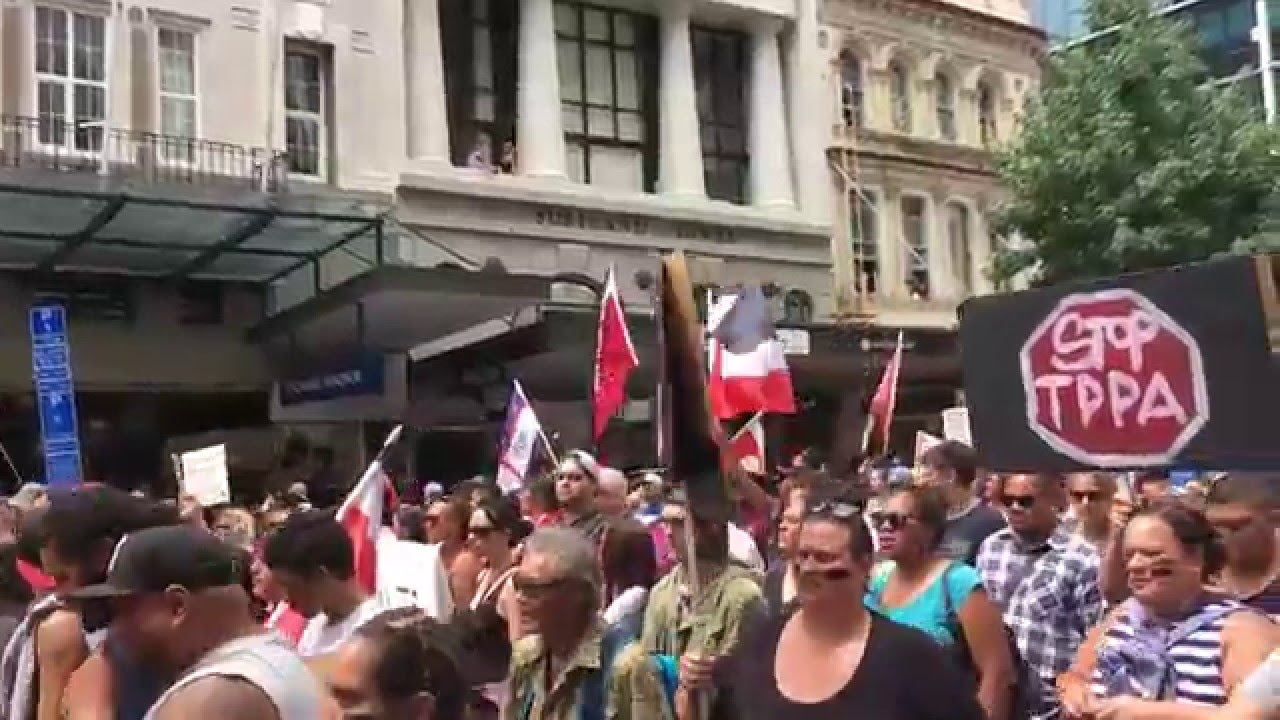
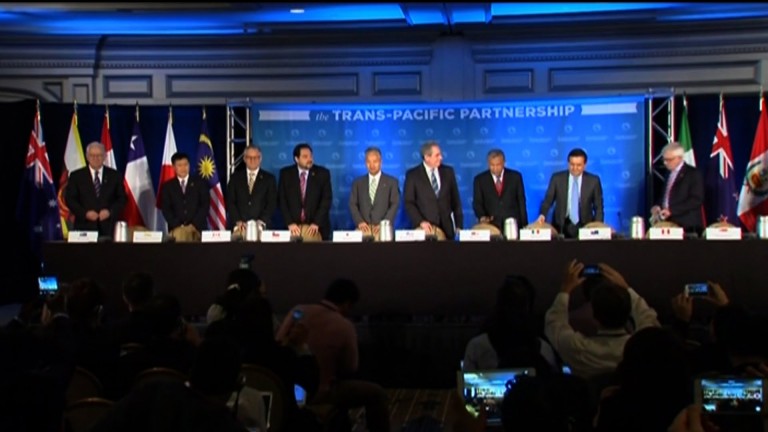
US trade reps at the Trans-Pacific Partnership negotiations in Dallas were left red-faced on Friday, when activists gatecrashed a welcome gala and presented the US Trade Rep with a fake award for bulldozing through the Big Business/MNC agenda. (Malaysia is also involved in the secret TPP negotiations.)

Mar 242011
 

President Obama has had to face up to memories of the US-backed repression in Central America during a visit that coincided with the anniversary of the assassination of the legendary Archbishop of El Salvador, Oscar Romero, on 24 March 1980. Protesters in El Salvador also demanded that Obama rework or scrap the Central American Free Trade Agreement, which has crippled agriculture in the country.

India-Malaysia market pact signed

 Posted by on 19 February 2011  6 Responses »
Feb 192011
 

A Comprehensive Economic Cooperation Agreement was signed yesterday between India and Malaysia. The agreement, “which was reached after seven rounds of negotiation, will see Indian mangoes, cotton, motorcycles, trucks and basmati rice attract less duty in Malaysia, among other things,” reports PTI. “As a quid pro quo, the South-East nation will face less barriers on the sale of its fruit, engineering goods and chemicals in India.”

Dec 032010
 

Negotiations between the Malaysia and the European Union for a free trade agreement (FTA) are expected to begin in Brussels next week. But most Malaysians are being left in the dark about what this means for Malaysia while Parliament is not even looking at this seriously. The way I see it, the EU-Malaysia FTA aims to prise open the Malaysian market for large European firms – in the same way that these firms are eyeing the vast Indian market under the EU-India FTA and the Asean market under the EU-Asean FTA. That’s the main agenda of Corporate Europe. These large European firms or BusinessEurope are working very closely with EU Commission negotiators to secure the best possible outcome for themselves. What are they looking for? We can get a pretty good idea of what they want by looking at the negotiations for the EU-India FTA.

Oct 252010
 

The UK National Archives has put on public display a memorandum dated 21 February 1956 by the UK ‘Secretary of State for the Colonies’ on the ‘Conference of the Constitutional Advance of Malaya’. From the memo, you can sense the colonial anxiety that Malaya should continue to be open to and protect ‘overseas investments’ and defend the ‘Sterling Area’, which partly depended on rubber and tin for its resilience. That was probably linked to the imperative of protecting British economic interests in Malaya in the face of the rising tide of nationalism and struggle for economic sovereignty around the world. After all, the colonialists were heavily involved in the extraction of resources, especially rubber and tin, in Malaya.